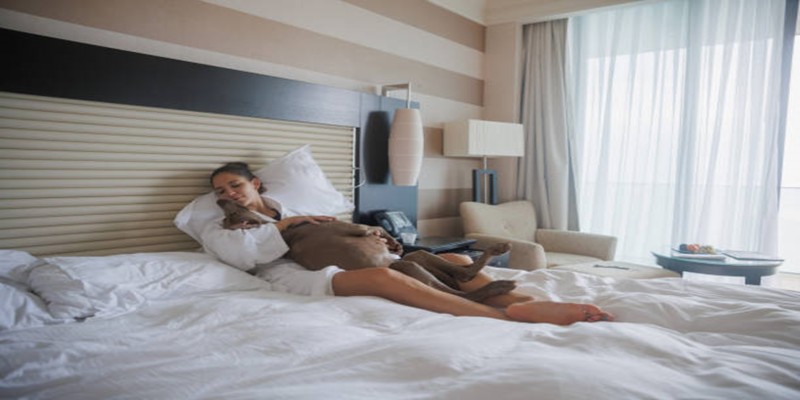
Do Dogs and Cats Really Take On Their Owner’s Personality?
Author:sana
Released:February 4, 2026
Think about it: at the dog park, you might spot a high-energy runner with a Border Collie that never seems to tire, or at home, a quiet reader with a cat that spends most of the day curled up on their lap. People often joke that pets start to look like their owners, but the real question is whether they actually behave like them. Do our four-legged friends pick up on our moods, social habits, or even anxieties?
The Core of the Connection
Pets aren’t carbon copies of their owners. A Golden Retriever is still a Golden Retriever, with instincts and behaviors shaped by its breed. That said, traits like being outgoing, friendly, careful, anxious, or curious—what psychologists call the "Big Five"—can appear in similar ways in pets.
This isn’t about pets copying us directly. A dog doesn’t see you being polite and decide to “be agreeable.” Instead, pets are keen observers. They pick up patterns in our behavior and adjust to fit the household. If your home is lively and loud, your pet learns that being energetic draws attention. In a calm, quiet home, the pet naturally mirrors a more relaxed approach.
Two Sources of Similarity
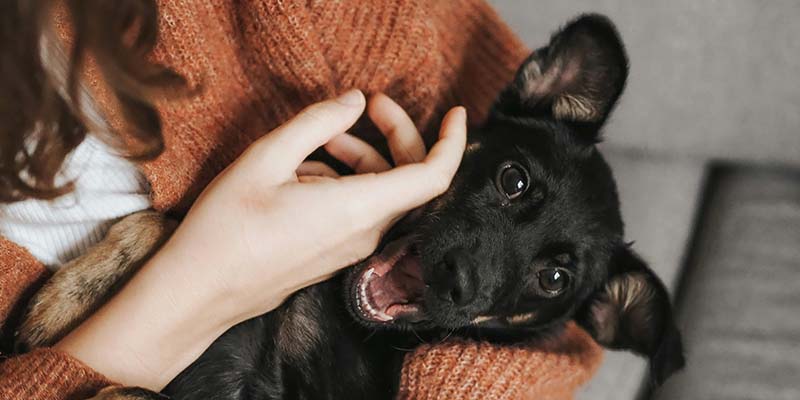
If you and your dog both love meeting new people, did you make him that way, or did you just pick a "people person" pup? Experts point to two main reasons for these parallels.
1. The Selection Effect
Psychologically, we are drawn to things that feel familiar. When people visit a shelter or a breeder, they often unconsciously look for an animal that matches their own energy level. A marathon runner is unlikely to adopt an English Bulldog that prefers short walks. A person who values a peaceful home is more likely to be drawn to a senior cat than a chaotic kitten. In many cases, the similarity exists from day one. We choose a "partner in crime" who already fits our life.
2. Environmental Shaping
This is where the real "becoming like you" happens. Living together for years means sharing the same schedule, the same stress levels, and the same emotional atmosphere.
A massive study surveyed owners of more than 1,600 dogs and found that a dog's personality is far from fixed; it shifts significantly as the owner's life circumstances and personality evolve over time. This malleability means that your daily habits—whether you’re a stickler for routine or a "go with the flow" type—act as a mold for your pet’s behavior.
Traits That Often Overlap
When we look at the research, certain personality categories show a much stronger overlap than others.
Extraversion vs. Introversion
This is perhaps the easiest trait to spot. Social owners tend to take their dogs to cafes, parks, and parties. Over time, these dogs become highly desensitized to strangers and enjoy social interaction.
An introverted owner who prefers quiet nights in may have a pet that is more reserved or even cautious around new people simply because they haven't been "trained" to be social butterflies.
Activity Levels
Physical energy is highly contagious. Active owners provide more stimulation, which keeps a pet’s mind and body sharp. Data published in the journal PLOS ONE suggested that owners who score high in Conscientiousness often have dogs that are more responsive to training and more physically fit, likely due to the owner's disciplined approach to exercise and structure.
The Emotional Mirror: Anxious vs. Relaxed
Pets are incredibly sensitive to the "emotional climate" of a home. If an owner is frequently stressed or anxious, the pet often picks up on those cortisol levels.
Research has shown that dogs can actually synchronize their long-term stress levels with their owners. By measuring cortisol (the stress hormone) in hair samples, scientists found a direct link between a stressed human and a stressed pet, proving that our internal states are rarely kept private from our animals.
Why This Happens: The Two-Way Street
It is tempting to think of this as a one-way street where the human "programs" the pet. In reality, it is a feedback loop. You reinforce your pet’s behavior without even realizing it.
If you are a cautious person who pulls the leash tight every time a stranger walks by, you are teaching your dog that strangers are a threat. If you laugh and give treats every time your cat does something "silly" or "bold," you are encouraging a confident, curious personality.
Pets also adapt to our specific "rhythms." They know when it’s "work time" and they should stay quiet, and when it’s "play time." This synchronization makes them appear to have the same work ethic or leisure preferences as we do.
Real-World Examples
Consider the story of a rescue dog named "Barnaby" who was adopted by a family of avid hikers and travelers. When Barnaby first arrived, he was timid and hated the car. After two years of joining the family on mountain trails and sleeping in tents, his personality shifted. He became an "adventurous" dog, waiting by the door at the sight of a backpack.
Cats show this too. A cat raised in a busy house with three children and a barking dog will often develop a "tough," unshakeable personality. That same cat, if raised by a single person in a quiet apartment, might have become a "scaredy-cat" who hides at the sound of a doorbell. The environment doesn't just change what they do; it changes how they perceive the world.
What the Research Suggests
Beyond just stress and activity, some surveys suggest that even more complex traits can overlap. According to reports from kennel clubs and animal behaviorists, certain breeds are often associated with specific owner personalities, but the individual bond matters more. Owners who describe themselves as "happy" or "stable" are much more likely to have pets that are rated as "easy to manage" and "friendly" by outside observers.
This suggests a strong correlation between an owner's mental well-being and their pet’s outward behavior. If you are generally a positive, stable person, your pet is more likely to feel secure enough to show a friendly, relaxed side.
Practical Meaning for You
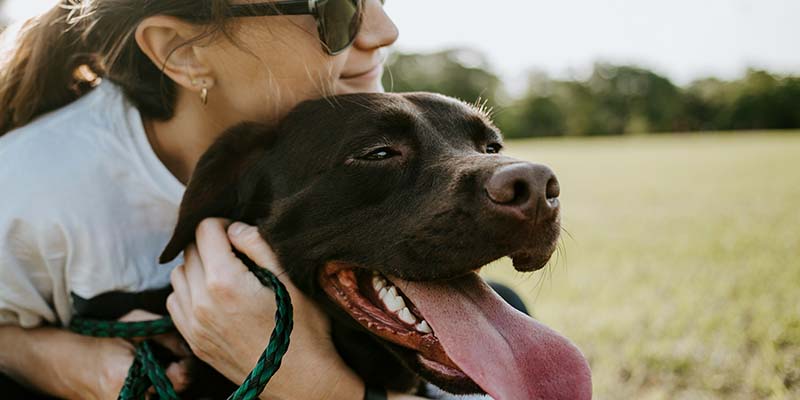
Recognizing that your pet is a mirror can be a powerful tool for better pet ownership. Here is what this looks like in your daily life:
Your Mood Matters: During a frantic, high-stress week, don't be surprised if your dog starts pacing or your cat becomes extra clingy. They aren't trying to be difficult; they are reacting to the energy you are putting out.
Predictability Helps: A stable, consistent environment is the best way to encourage a balanced personality. Pets thrive on knowing what to expect.
Selection Matters: If you haven't gotten a pet yet, be honest about who you are today, not who you want to be. Don't get a high-energy puppy hoping it will "force" you to go to the gym. Choose the pet that fits your current reality to ensure a harmonious match.
Growing Together Through the Years
While pets might not inherit our DNA, they certainly inherit our lives. Through a combination of our initial choices and the invisible influence of our daily habits, dogs and cats do indeed take on many of our personality traits. They are not just animals living in our houses; they are reflections of the homes we build and the people we are. When you look at your pet and see a bit of yourself, you aren't imagining it—you’re seeing the result of a deep, cross-species bond that shapes both of your worlds.
Related Posts
What Are Cat Zoomies? Why Cats Suddenly Race Around At Night
Do Cats Sweat? How They Stay Cool and How to Prevent Overheating
Male vs. Female Cat Personality: How to Choose the Best Cat for Your Lifestyle
Why Your Indoor Cat Needs A Window Perch For Mental Stimulation
Dog Dental Chews: Natural Defense Against Plaque